/ Our customers
From single-project developers to international groups managing thousands of units across multiple markets, they chose Realpad to bring structure, visibility, and control to how they sell and deliver.
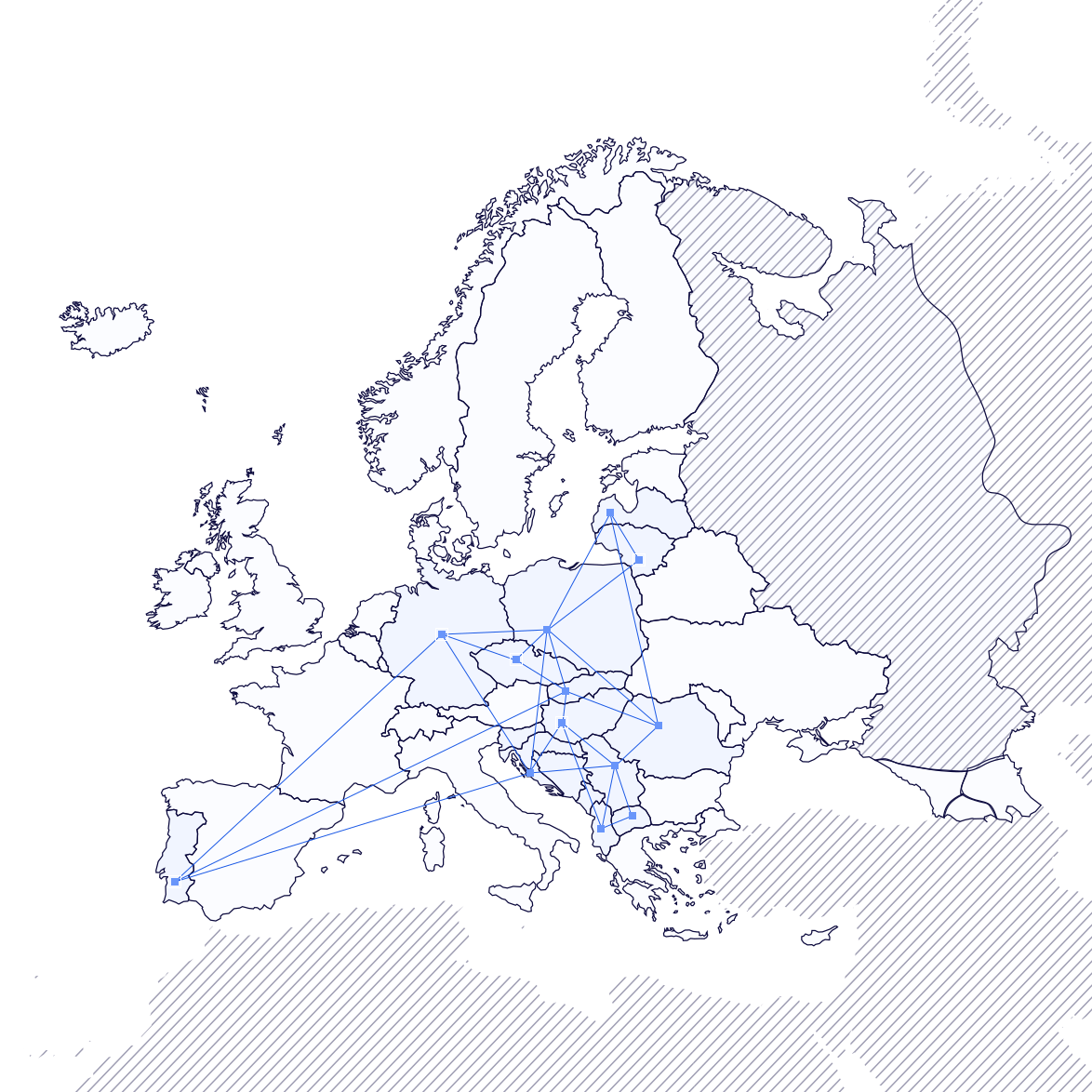
Trusted by residential developers across Europe


/ Case studies
Case Study
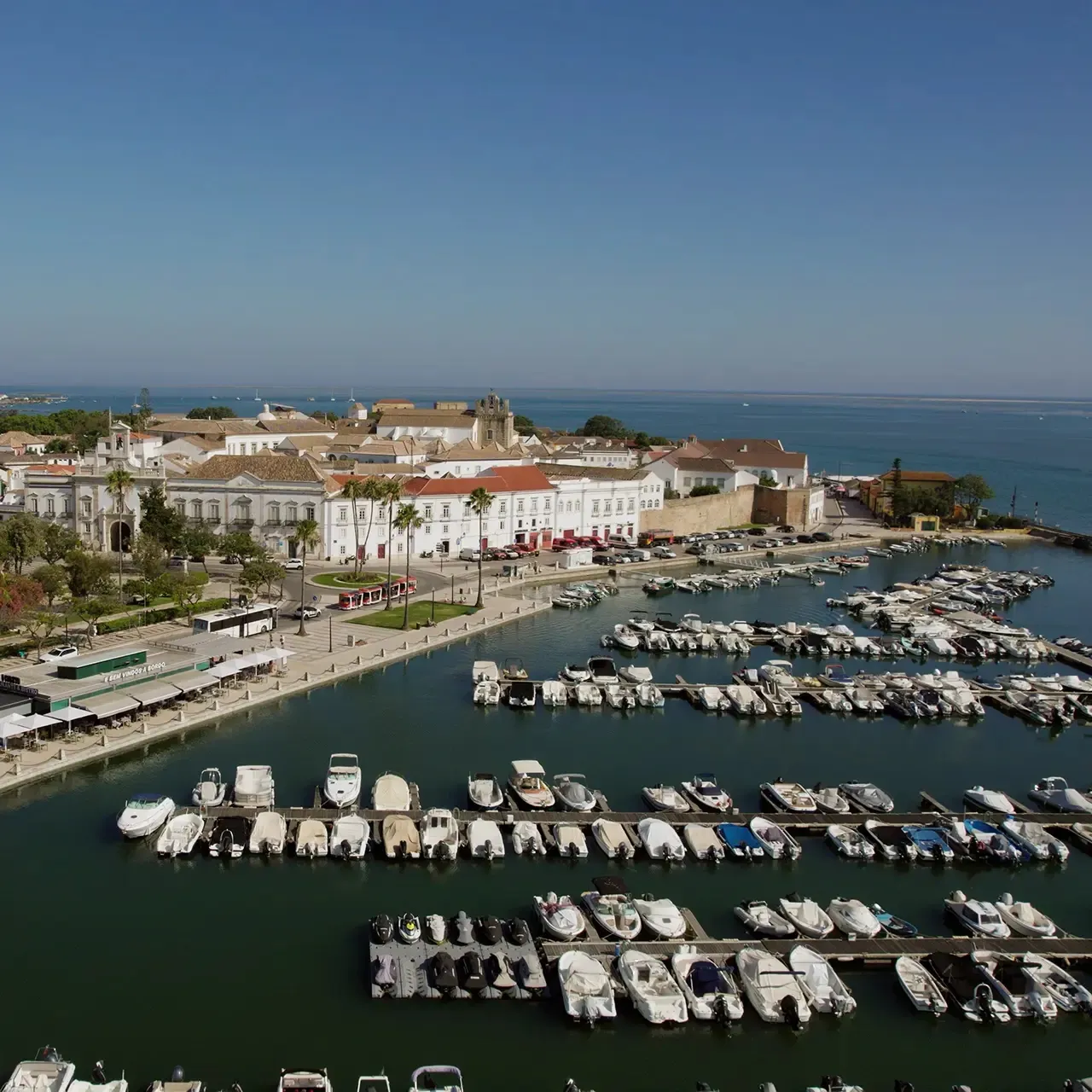
Portugal
/ Situation
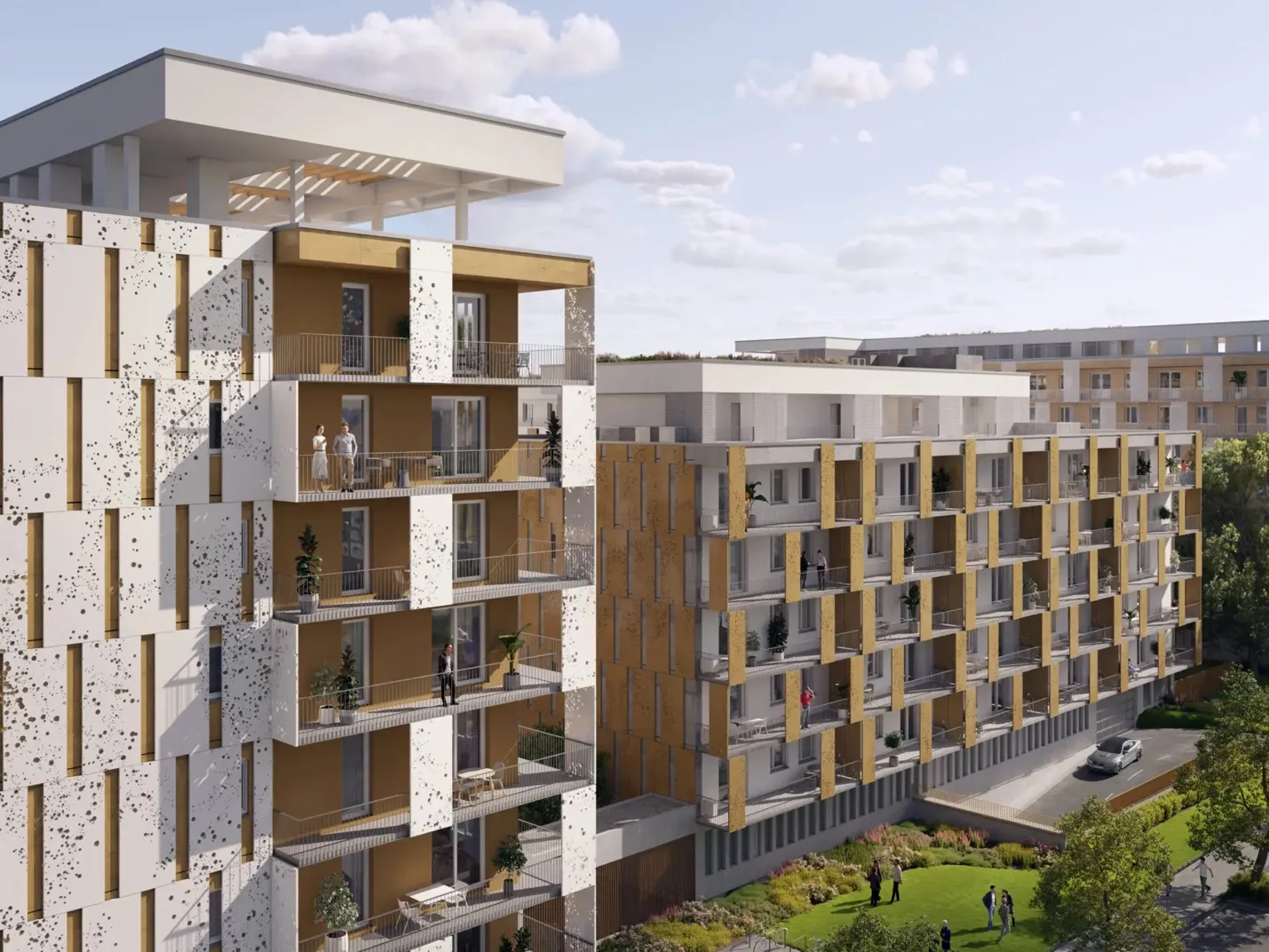
Lantia, a premium residential developer in Lisbon, was running on fragmented systems with no unified view of leads, buyers, or operations.
/ What changed
One platform connecting lead capture, buyer communication, and data analytics. Scattered marketing replaced with structured, measurable processes.
Case Study
6 countries
/ Situation
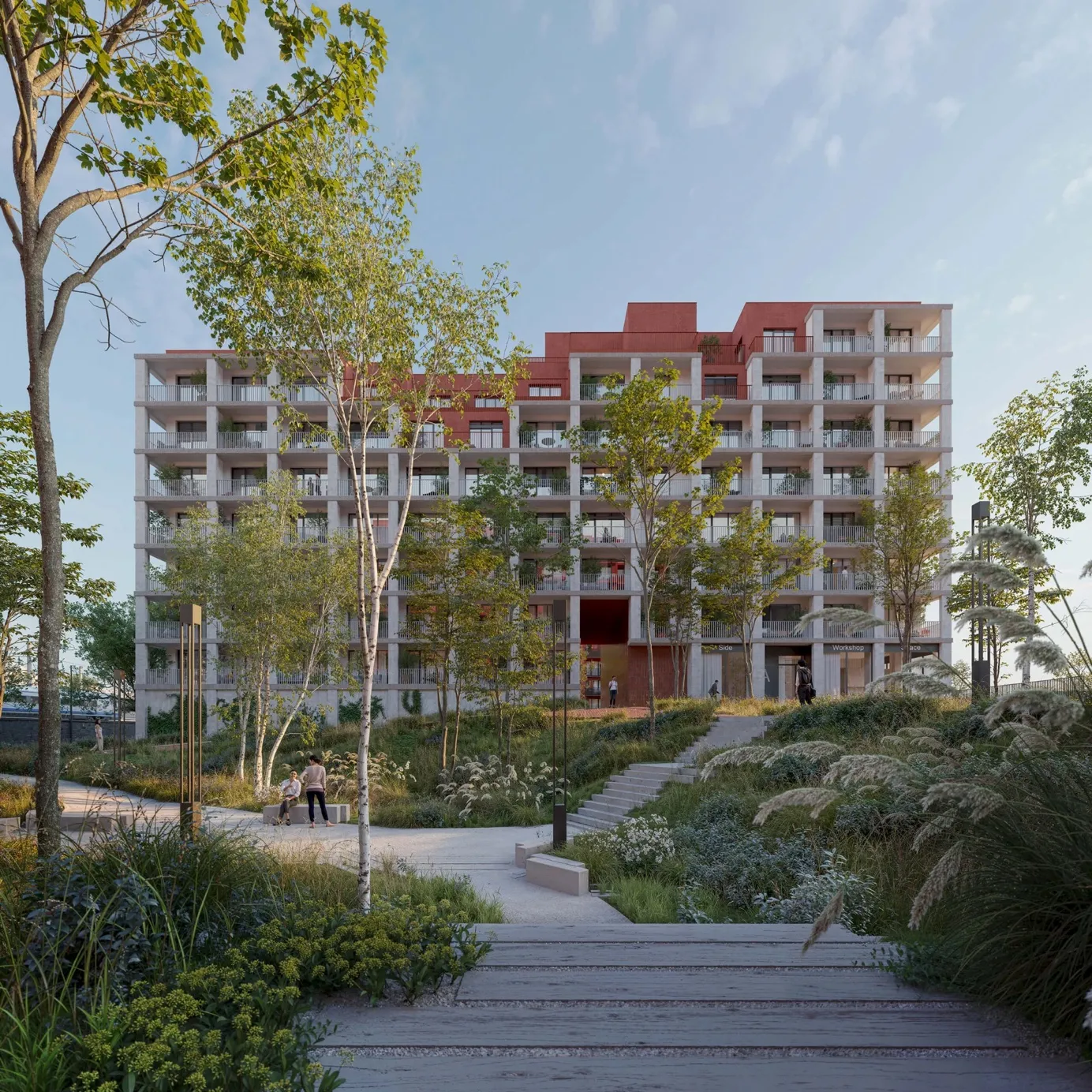
Urban Developers & Investors were managing 2,000+ apartments across 8 live projects in 6 countries, with different local software in each market and no unified visibility for management.
/ What changed
One platform across all markets. Centralised data, shared workflows, and real-time sales visibility across all projects simultaneously.
Case Study
Czech Republic
/ Situation
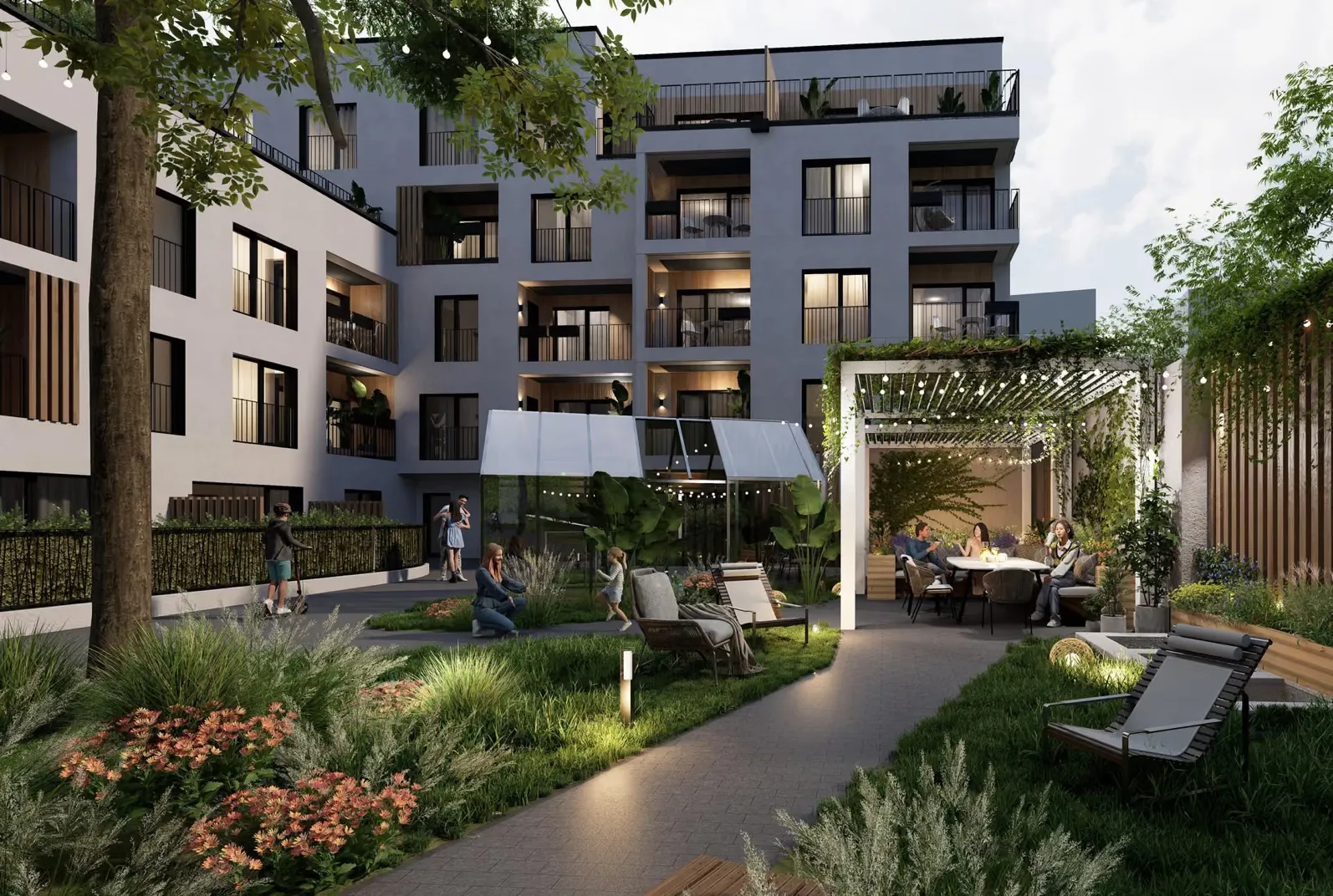
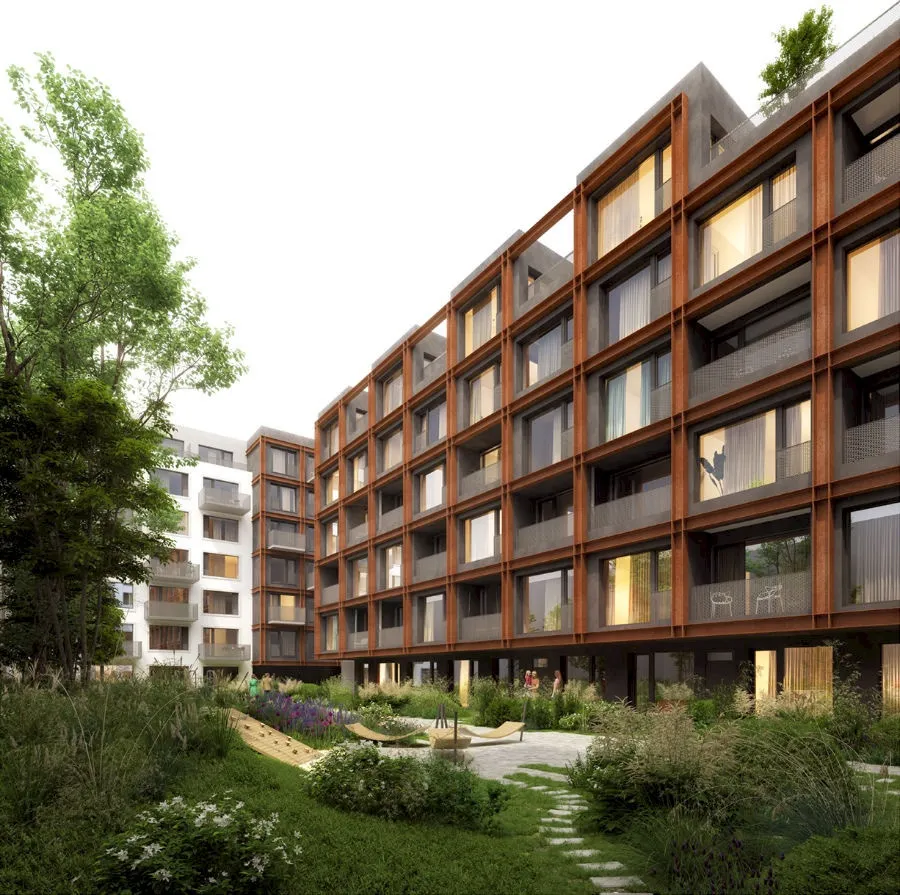
JRD, a leading Czech developer, operates across multiple divisions and markets where real estate is a core pillar but not the only one. Group-wide customer data and cross-sell strategy needed a central enterprise CRM. Real estate operations, covering inventory, client changes, payment schedules, handovers, and warranty claims, needed workflows that generic enterprise tools were never designed to handle.
/ What changed
JRD ran Realpad as the specialised layer for real estate operations, integrated with existing systems and the group data warehouse. Central systems stayed focused on company-wide reporting and customer management. Specialisation where it's essential, integration where it creates value.
Case Study
Czech Republic
/ Situation
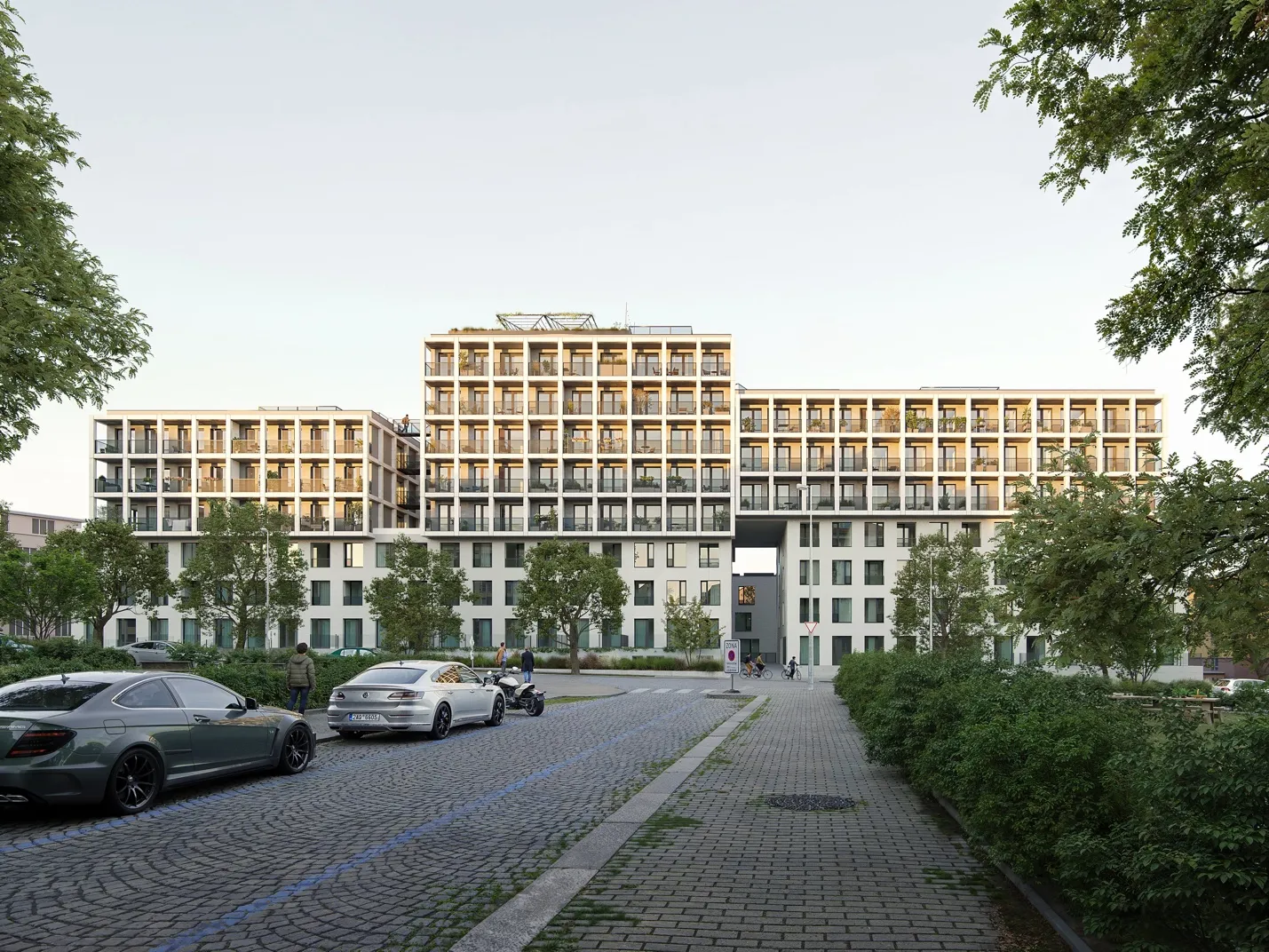
PSN, one of the Czech Republic's most significant business groups and a residential developer for over thirty years, had run on customised generic software for five years. Routine changes took two to three weeks of developer time; contract workflows took months. Aftersales, handovers, and payment management never made it in at all. After five years of investment, barely 40% of the process was genuinely digitised.
/ What changed
A deep GAP analysis first, then Realpad built the processes it didn't yet cover, as a partner rather than a supplier. A proof of concept ran both systems in parallel for several months so PSN could compare directly. Where generic solution needed a development cycle and sign-off for every change, Realpad adapted in real time.
Case Study
Hungary
/ Situation
Bayer Construct, one of Hungary's leading residential developers, needed a modern operating system for buyer-facing workflows, one that would give management reliable reporting and enable data-driven decisions across the business. They faced a strategic choice: invest months in a complex enterprise system, or adopt a proven platform they could start using immediately.
/ What changed
Realpad implemented quickly, out of the box, without lengthy customisation. It became the connective tissue between sales, aftersales, and management, centralising processes, creating transparency, and driving adoption across teams.
Case Study
Czech Republic
/ Situation
Metrostav Development, one of the Czech Republic's largest residential developers, was managing warranty claims through shared Excel spreadsheets, emails, and phone calls. Processing a single claim took 43 minutes. With thousands of apartments across multiple Prague projects, the process was unsustainable and legally vulnerable.
/ What changed
Warranty claims are now submitted by buyers through the Realpad portal, automatically routed to the right team, and tracked from submission to resolution. All documentation is stored centrally. The general contractor receives claims and resolution protocols in one click.
Case Study
Serbia
/ Situation
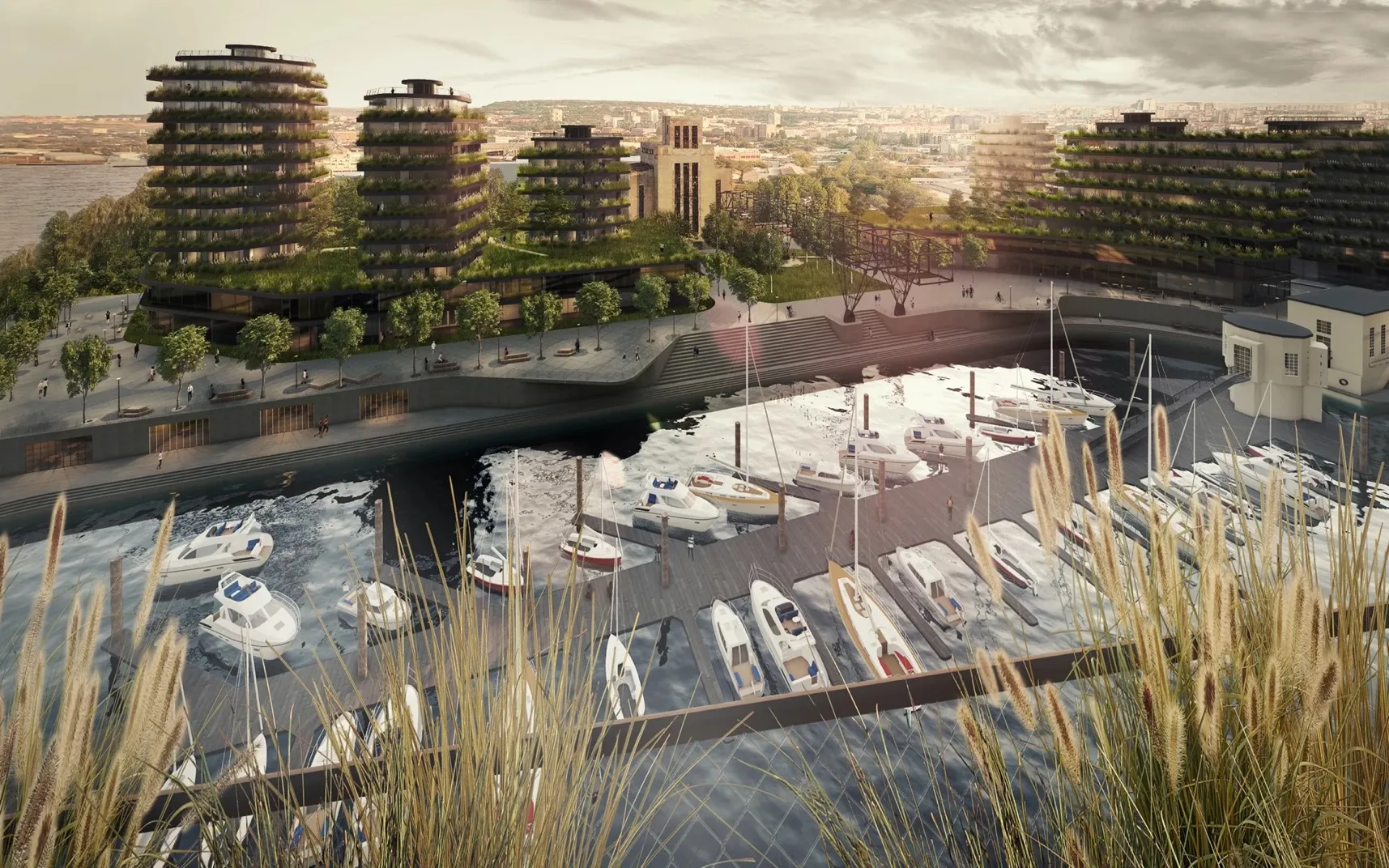
Marina Dorćol, a premium residential project in Belgrade, was entering a market where most developers still relied on Excel for inventory, generic CRM tools for leads, and manual coordination between teams. As the project scaled, the risk of errors in buyer communication and availability tracking grew with it.
/ What changed
Realpad was brought in before sales even started, allowing the team to set up processes correctly from day one rather than retrofitting a system onto a growing operation. The entire sales and post-sales process connected in one platform: inventory, reservations, contracts, payment tracking, handover, and warranty.


Case Study
Slovakia
/ Situation
Corwin, a leading Slovak residential developer, was running property handovers on paper: printed protocols, manual sign-offs, and no central record of what was completed, disputed, or outstanding.
/ What changed
Digital handover protocols managed entirely through Realpad. Every item logged, tracked, and signed off digitally. Buyers and teams working from the same record in real time.
Case Study
Slovakia
/ Situation
Rezidencia Vinohrady, a Slovak developer active since 2008 with 1,200+ homes handed over across 20+ residential and commercial projects, was managing price lists in fragmented spreadsheets. Repricing meant manual edits, email approvals, and copy-paste, followed by a second round of manual work to make the website match. With no change log, nobody could see who had changed what.
/ What changed
Every project moved into one inventory with shared statuses and pricing rules. Bulk repricing now happens in a single controlled action across the whole portfolio, and the website feed updates automatically, including floor plans and unit PDFs. Every change is permissioned and logged.
/ Join the European developer movement
After working with 200+ residential developers across Europe, we've accumulated something that can't be built into software: a detailed understanding of how the best operators run their business, what they've tried, and what actually works.
We're building a space where developers can connect with each other, share that knowledge, and learn from people who are solving the same problems in different markets. Realpad facilitates, but the knowledge belongs to the community.